AI Doesn't Raise the Floor. It Steepens the Slope.
Source: Anna Shipman
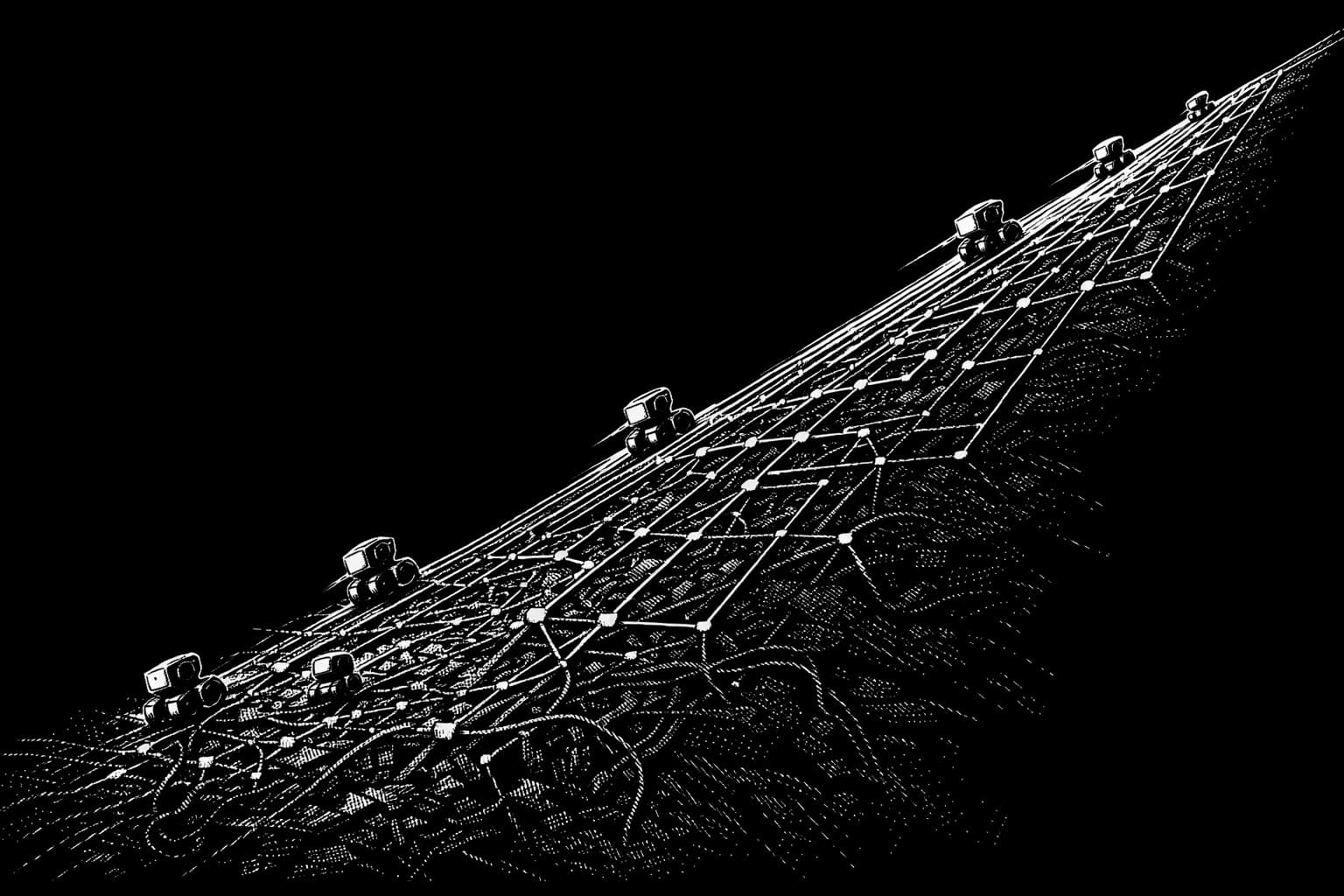
Anna Shipman's notes from a recent engineering productivity panel are worth ten minutes of your time — not for the whole thing, but for one sentence buried in the second bullet.
AI amplifies, it doesn't augment.
That distinction matters more than most AI productivity commentary manages. Augmentation implies a rising tide — everyone gets a boost, gaps narrow, weaker teams get propped up. Amplification means the opposite: what's already strong gets stronger, and what's already weak gets worse, faster. In a well-structured codebase, agents accelerate delivery. In a poorly structured one, they generate mess at pace. This isn't a nuanced take — it's a practical implication that should be sitting at the top of every "should we adopt AI tools?" conversation, and almost never is.
It also reframes where the investment case for AI tools actually sits. It's not in the tools. It's in the foundations those tools will be let loose on.
That said, the piece doesn't earn everything it claims.
The claim that one team delivered in a day what would previously have taken two weeks is presented as evidence of what AI can do. But the panel explicitly asked for the most dramatic examples they could find. That's not evidence — that's a ceiling. Reporting the outlier as the signal, even with a bracketed caveat ("that doesn't mean productivity has overall sped up 10x"), is exactly the move that makes AI productivity discourse so hard to use. The caveat doesn't undo the impression left by the headline example.
The amplification framing is what you take away. Take it, apply it to wherever you're thinking about deploying AI in your own work, and ask the harder question first: is what I'm pointing this at actually in good shape?
If the answer is uncertain, that's the problem to solve before the tools become relevant.
Stay current weekly
Get new commentary and weekly AI updates in the AI Primer Briefing.