Microsoft's New Agent Does the Work. So Who Does the Approving?
Source: Microsoft 365 Blog
Copilot Cowork landed yesterday. Four minutes to read. Worth it for one paragraph, and worth skipping for another.
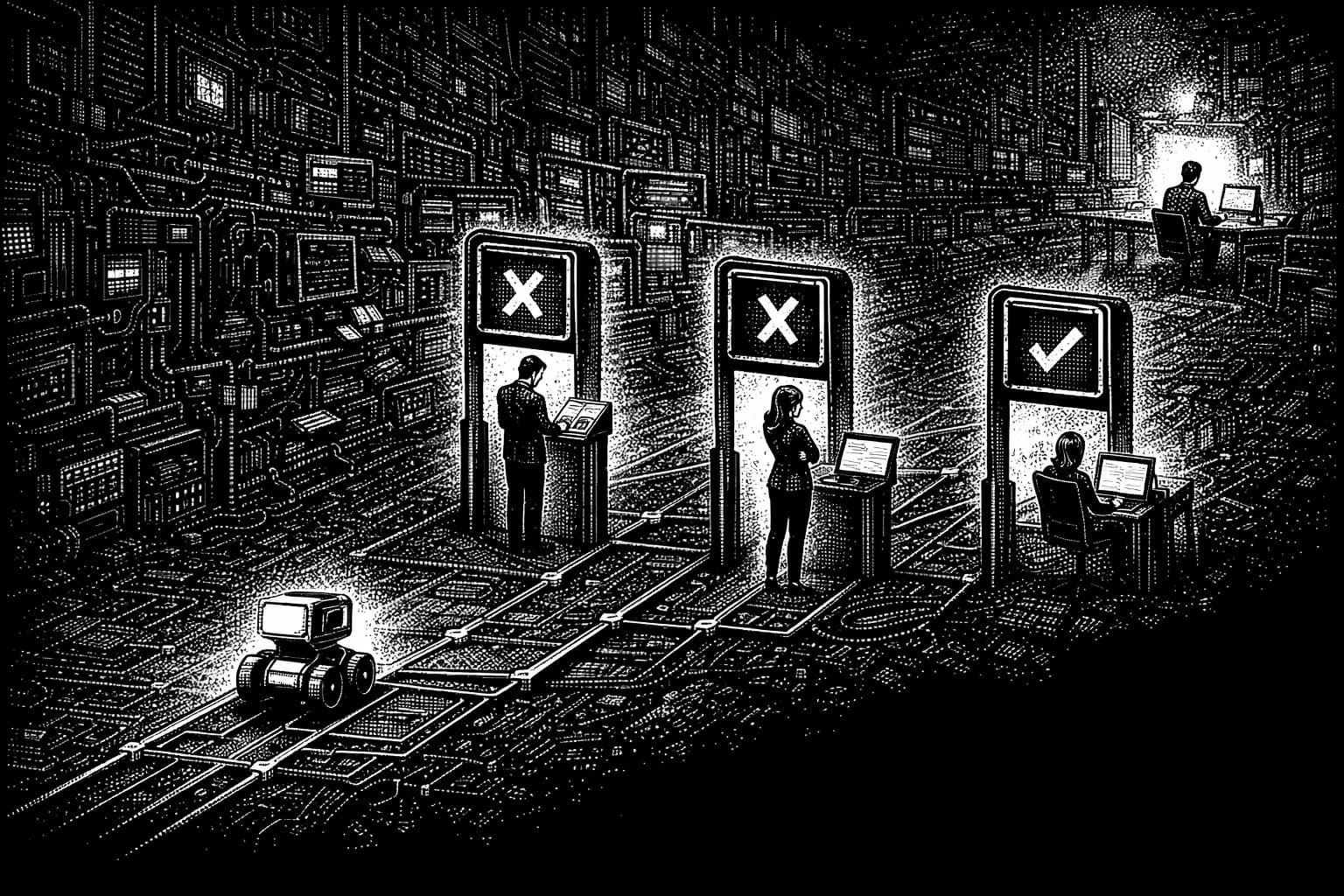
What it gets right, and what almost nobody else in this space does, is the checkpoint architecture. Approval gates are built into the execution model, not offered as a disclaimer. Tasks run in the background and pause for confirmation before changes are applied. That's not a small thing. Most agentic AI announcements treat human oversight as friction to be minimised. This one treats it as the product.
The part that doesn't hold up is buried near the bottom: a single sentence noting that Cowork's execution layer is built on Claude, developed in partnership with Anthropic. Microsoft frames this as a strength — "multi-model advantage," best tool for the job, etc. What they don't address is what it means for enterprise buyers with data residency obligations, existing vendor agreements, or compliance constraints. Whose infrastructure is processing the work? Under what terms? The post doesn't say, and "we use the best model for the job" is not an answer that survives a legal review.
The four demo scenarios are all managerial: calendar triage, meeting prep, company research, launch planning. Nothing wrong with that, but it's worth knowing this is an executive productivity tool. The analyst running the same reconciliation every week isn't in this announcement.
The broader strategic bet — that enterprise AI value shifts from generating outputs to orchestrating workflows — is probably right. The gap between the demos and the actual complexity of how organisations work is the part no announcement can close on its own.
Stay current weekly
Get new commentary and weekly AI updates in the AI Primer Briefing.