The Productivity Gap Is the Story. Lin Buries It.
Source: Alfred Lin
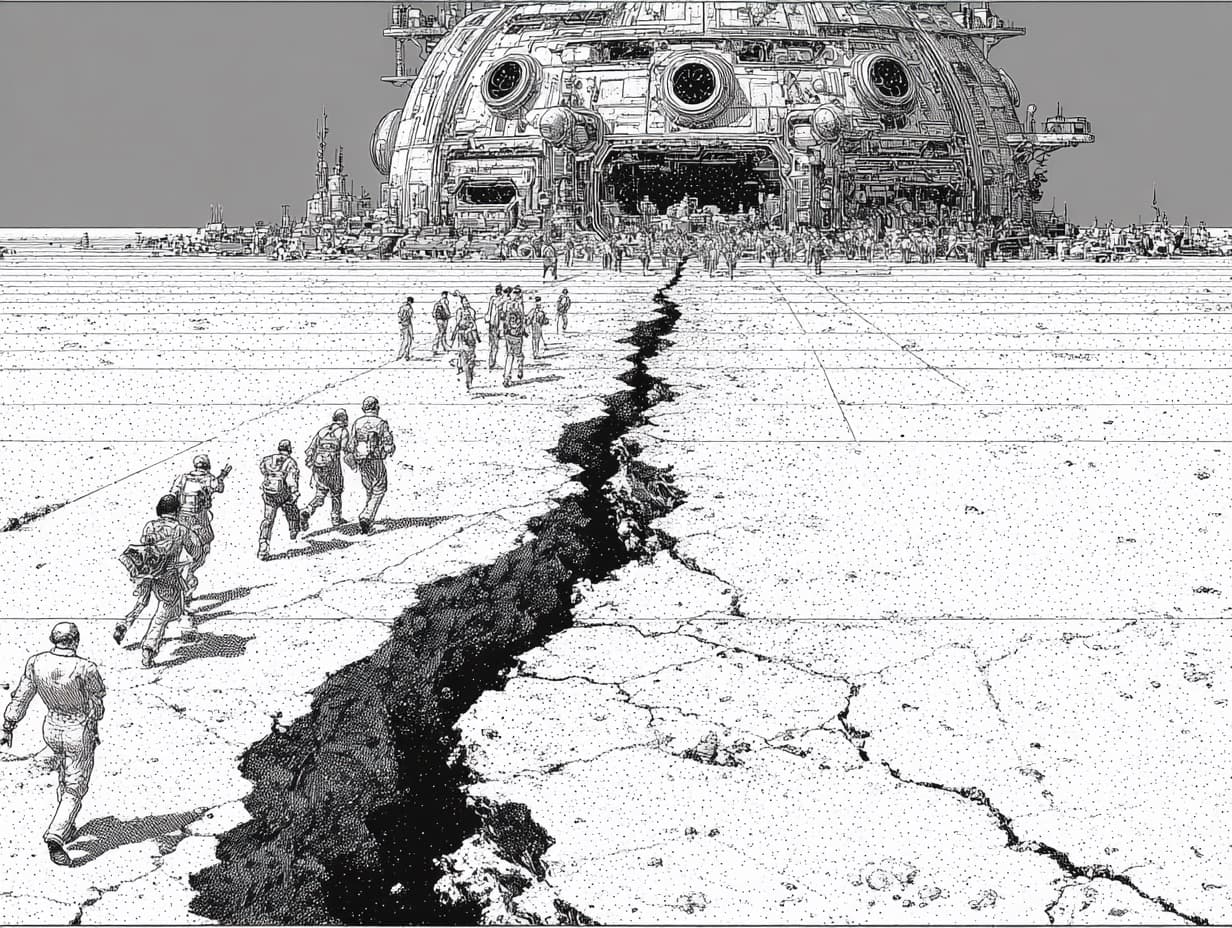
Alfred Lin's Developer to Fleet Commander is worth reading, but not for the reason he thinks he wrote it.
The Ender's Game metaphor runs the whole piece. It's elegant. It's also doing cover for a number that Lin drops in the opening and never properly interrogates.
Top 5–10% of builders: 3–5x more productive than a year ago. Median builder: 10–20%.
That gap is not a framework question. That's an organisational stress fracture. If those numbers hold across multiple portfolio companies — and Lin says they do — the practical implication isn't "become a fleet commander." It's: what are you doing about the people in the middle, and what does your team actually look like in 18 months?
Lin earns the weekend-build anecdote. A non-engineer shipping a production product with backend, polished UI, and database integration — that's concrete, it's not hypothetical, and it illustrates the intent-setting-over-coding shift better than the Ender framing does.
What he doesn't earn: applying the fleet-commander model to software development broadly. Every example in the piece is greenfield. New product. Clean problem. Blank slate. The paragraph where he concedes AI can't yet "imagine the product that doesn't yet exist" — that's the crux — lands and immediately disappears. He moves on. Most developers aren't building new things from scratch on weekends. They're maintaining systems that predate these tools by a decade, working inside codebases with four hundred thousand lines and three years of undocumented decisions baked in. The fleet doesn't help much when half the battle is understanding what the fleet is flying into.
The genuine insight in this piece is that the productivity divergence is real, it's measurable, and it's happening faster than most organisations have noticed.
Everything else is Ender.
Stay current weekly
Get new commentary and weekly AI updates in the AI Primer Briefing.