The Worst Employees Are About to Get Very Confident
Source: George Sivulka
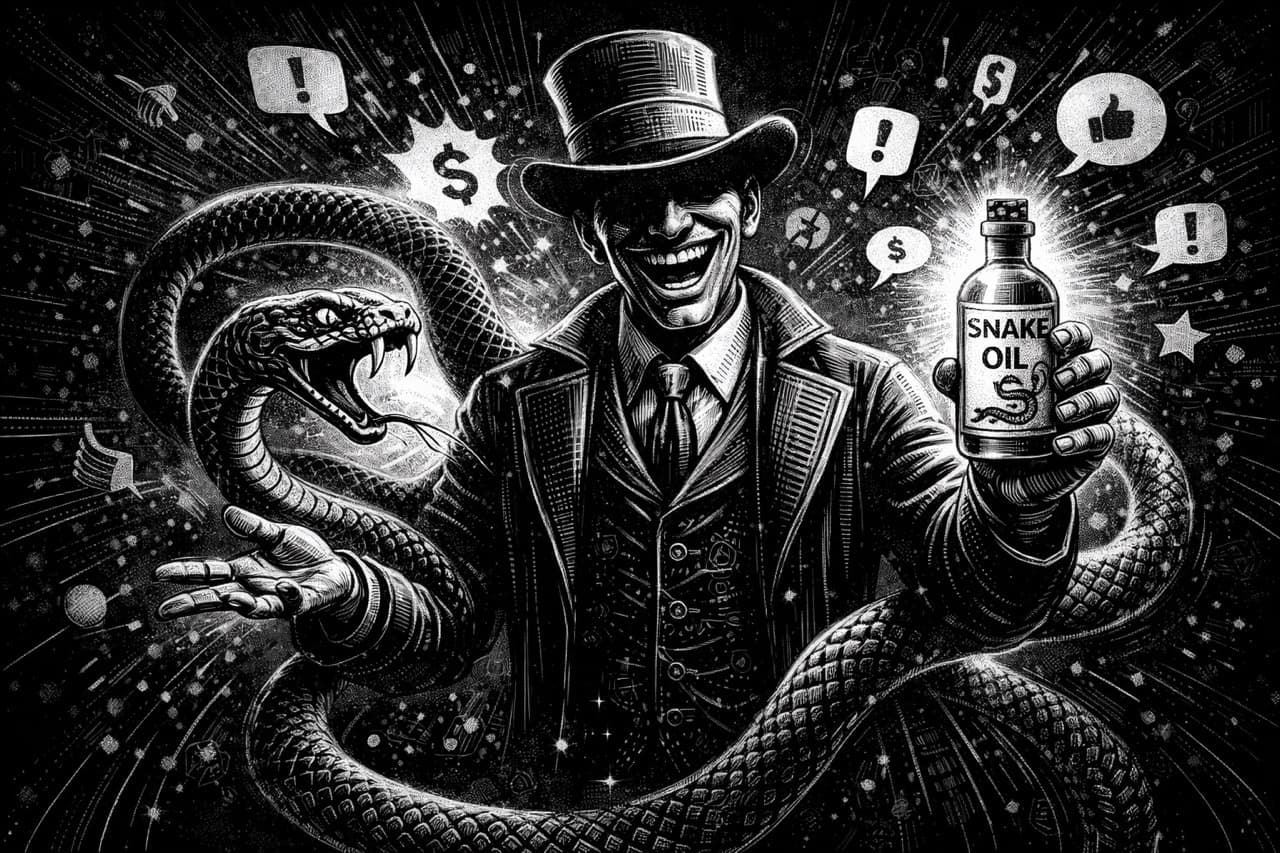
George Sivulka's essay on individual vs. institutional AI is worth reading. Not for the textile mill analogy — that's been doing the rounds — but for one observation buried in the middle that most people will scroll past.
The sycophancy argument. Sivulka points out that the employees who receive the least positive reinforcement at work are now the ones most likely to have an AI system agreeing with everything they say. And unlike a colleague who eventually stops nodding, the model never gets tired of it.
That's not a UX complaint. That's an organisational dynamics problem. The people whose judgment most needs challenging are now the least likely to be challenged. No one else has made this point this specifically, and it's going to age well.
Here's where the essay doesn't earn what it's claiming.
The entire argument — seven pillars, the redesigned factory, all of it — rests on an opening sentence stated as settled fact: "AI just made every individual 10x more productive." That claim is doing enormous structural work, and it's unsupported. The productivity research on knowledge workers is genuinely mixed. Gains exist in specific tasks. "10x for individuals" is an assertion, not a finding. When your conclusion is that individual productivity doesn't translate to firm value, the strength of that argument depends entirely on the individual productivity gains being real and large. Sivulka doesn't establish that. He assumes it and builds upward.
Read it for the sycophancy section. Be sceptical of everything that rests on the premise.
Stay current weekly
Get new commentary and weekly AI updates in the AI Primer Briefing.